

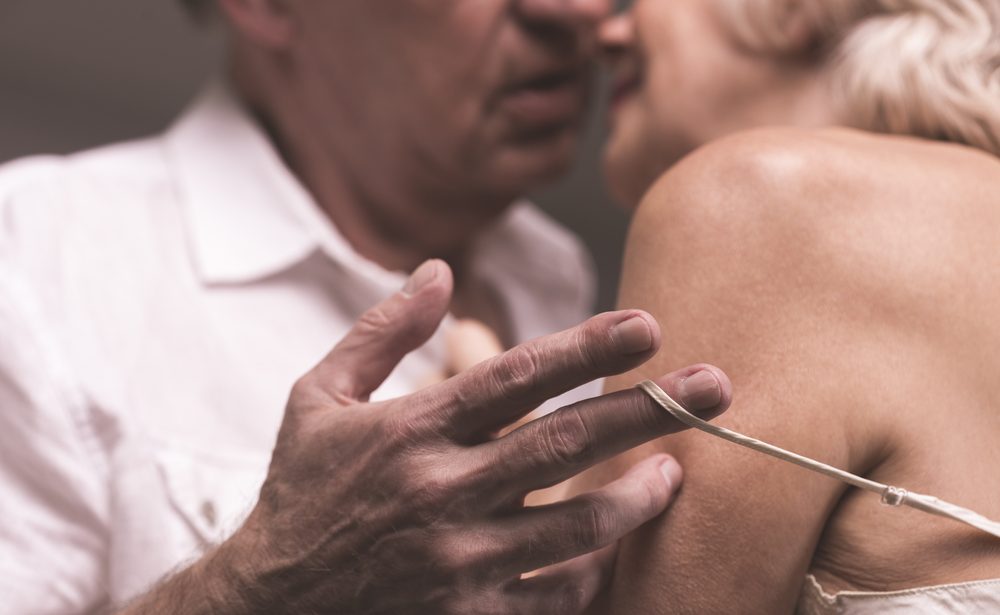
For many people living with illness, the hardest conversations are often the ones that never happen. While healthcare focuses on symptoms, treatments and recovery, discussions about sex and intimacy are frequently overlooked. Yet these aspects of our lives are deeply connected to our emotional wellbeing, relationships and sense of self.
In this episode of How We Really Feel, Dr Sula Windgassen is joined by two leading UK psychosexual therapists, Kate Moyle and Lorraine Grover, to explore the often-neglected relationship between illness, intimacy and sexual wellbeing.
Kate Moyle, author of The Science of Sex and host of The Sexual Wellness Sessions podcast, brings her expertise in understanding the psychology of sexual health. Alongside her, Lorraine Grover draws on more than 20 years of experience as a nurse and psychosexual therapist, specialising in supporting people living with conditions such as prostate cancer and bladder disorders.
Together, they unpack why anxiety naturally takes priority over arousal, making intimacy particularly challenging when health concerns dominate daily life. They also discuss how cultural expectations about what sex "should" look like can limit our understanding of intimacy and leave many people feeling isolated when illness changes what is physically possible.
The conversation highlights the important distinction between sex and intimacy, explaining why maintaining emotional closeness doesn't always depend on sexual activity. Listeners will also gain insight into what psychosexual therapy involves, why it's far less intimidating than many imagine, and practical strategies that can help individuals and couples reconnect.
Whether you're living with a chronic condition, supporting a partner, or simply interested in understanding the connection between health and relationships, this episode offers compassionate, evidence-based insights. It reminds us that intimacy deserves a place in conversations about healthcare—and that acknowledging it is often the first step towards feeling whole again.
Listen to the podcast here.